
Slow Food Farms
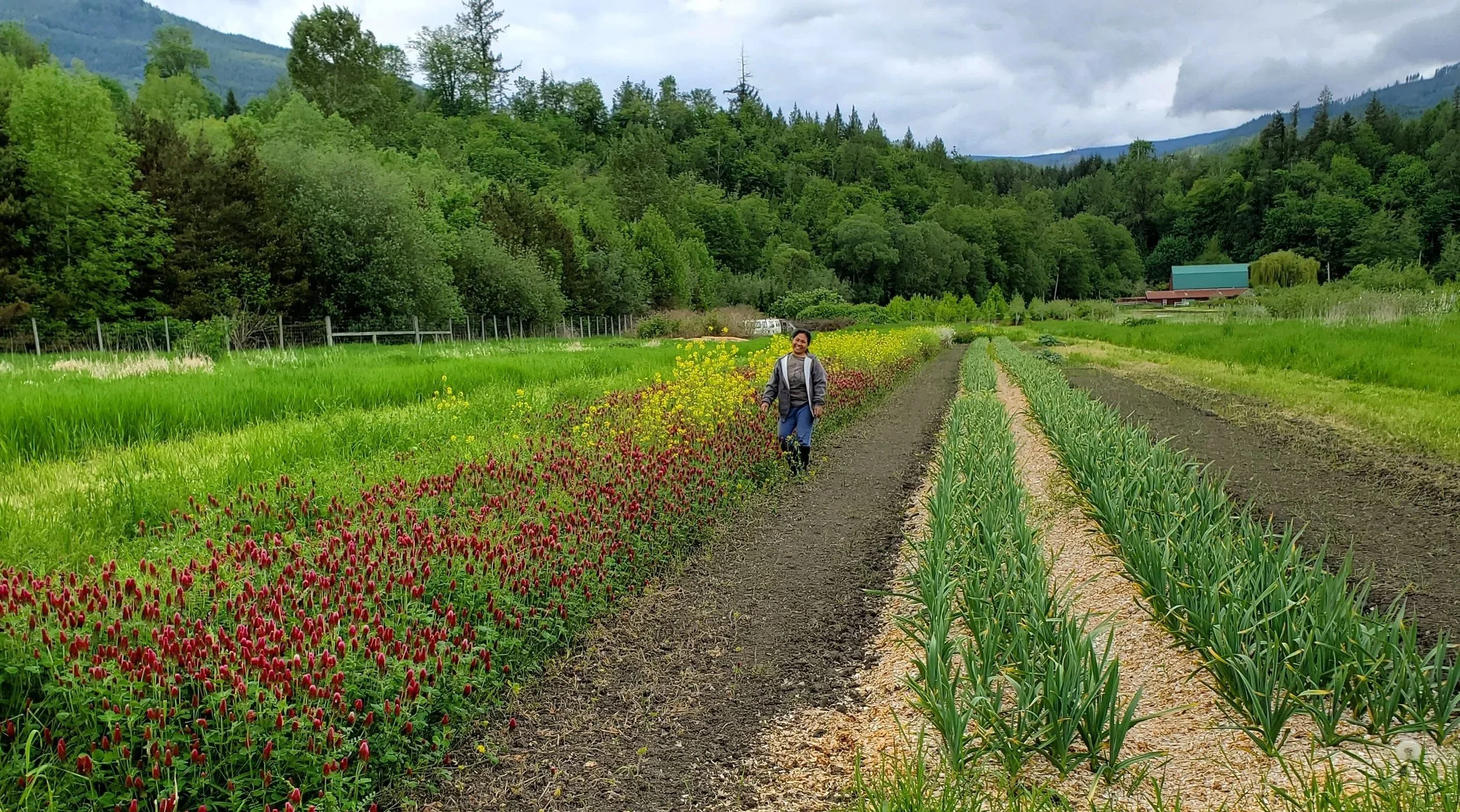
Jones Creek Farm in Sedro-Woolley
Slow Food Farms is a global network of farms dedicated to producing good, clean, and fair food through the principles of agroecology.
At Slow Food Seattle, we're excited to connect Washington farms with this international community and help grow a network of farms committed to healthy ecosystems, thriving communities, and a more resilient food system.
What is a Slow Food Farm?
A Slow Food Farm is a working farm that follows the principles of agroecology—a regenerative approach to farming that works with nature to produce healthy food while caring for the land, water, animals, and people. As part of the global Slow Food movement, these farms demonstrate that agriculture can nourish people while protecting biodiversity, strengthening local communities, and building a more resilient food system.
Qualifications
Slow Food recognizes that every farm is on its own journey. Farms do not have to be perfect to participate—they simply need to demonstrate a genuine commitment to farming in ways that regenerate ecosystems, strengthen local communities, and produce food responsibly.
To qualify as a Slow Food Farm, a farm must achieve a 75% positive response rate on the nomination form and meet the program’s eligibility requirements.
A Slow Food Farm is:
Rich in Biodiversity. Biodiversity strengthens ecosystems, improves resilience to environmental challenges, supports pollinators and wildlife, and helps preserve local food traditions for future generations.
Rooted in Traditional Seeds. Traditional, heirloom, and open--pollinated seeds help preserve genetic diversity, strengthen food sovereignty, and help safeguard agricultural heritage.
Committed to Healthy Soil. Healthy soil is the foundation of healthy food. Slow Food Farms build soil through practices that increase organic matter and minimize reliance on synthetic fertilizers, pesticides, antibiotics, and hormones.
Responsible with Natural Resources. A Slow Food Farm carefully manages land, water, and energy to reduce waste, conserve natural resources, and minimize environmental impact.
Respectful of Animals. When animals are part of the farm, they are raised with care and respect. Their welfare extends beyond good health to include conditions that support their natural behaviors and well-being.
Holistic in Farming Practices. Plants, animals, people, and the surrounding environment all work together as part of a healthy farm ecosystem. A whole-farm approach creates a healthier, more productive, and sustainable farming system.
Economically Resilient. A diversified farm is better able to adapt to changing markets, weather, and other challenges. Multiple sources of income help strengthen the long-term sustainability of both the farm and the farming community.
-
To qualify as a Slow Food Farm, a farm must avoid any of the following:
Monoculture and high levels of crop or livestock specialization, reducing biodiversity.
Use of GMOs or New Genomic Techniques, leading to a loss of biodiversity and dependency on corporate seed companies.
Use of synthetic pesticides, fertilizers, and agrochemicals. These chemicals can harm beneficial insects, pollinators, soil fertility, and the health of animals and people.
Growing plants without soil such as hydroponics, aeroponics, aquaponics, etc.
Commodity-based commercialization primarily for export markets, prioritizing profit over sustainability.
Significant environmental pollution.
Use of growth-promoting hormones in animal farming.
Violation of human rights, workers’ rights, or animal welfare.
Here’s how It Works
Apply or Be Nominated. Complete the online nomination form, or be nominated by a local Slow Food group, organization, or individual.
Meet with Slow Food. A Slow Food volunteer will visit the farm to learn about its practices, answer questions about the program, and better understand the farm’s commitment to agroecology and the Slow Food values.
Welcome to the Network. If your farm meets the program’s criteria and you choose to participate, you’ll become part of the global Slow Food Farms network and connect with a worldwide community of farmers and Slow Food organizations.
If you have any questions, please reach out:
Kim Abrams-Marshall, Slow Food USA Regional Councilor in Washington State —kimm@slowfoodusa.org
Slow Food Seattle Board of Directors — info@slowfoodseattle.org.